

Settle
$69.99
Skip to product information


For you Bought most by Dog Breeders, Equine Operations
Settle
$69.99
- Ships cold in an insulated Polar Box with ice, added automatically
- Expires Jan 16, 2029
Equine endometritis treatment USDA approved Can help resolve certain uterine infections For use during natural breeding or artificial insemination For use with mares with endometritis Prepare your mares for effective… Read more
This item is out of stock. Get an email as soon as it's back.
Complete the job
What customers buy with this item.
Total:
Questions about this product? Ask Dr. Greer
Product Details
- Equine endometritis treatment
- USDA approved
- Can help resolve certain uterine infections
- For use during natural breeding or artificial insemination
- For use with mares with endometritis
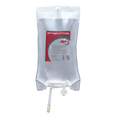
Prepare your mares for effective breeding with Settle® equine endometritis treatment - a USDA-approved immunotherapeutic recommended to aid in treating equine endometritis.
Endometritis begins in mares and is an inflammation of the uterus to expel semen and bacteria after breeding. While not life-threatening, the condition, commonly caused by streptococcus zooepidemicus, significantly impacts the equine industry, affecting up to 43% of broodmares worldwide. Mares with persistent and post-breeding endometritis have an increased embryonic loss rate and a lower overall pregnancy rate than those without the condition.
If your mare has vulval or cervical discharge or uterine fluid accumulation, a single dose of Settle can help resolve the uterine infection, inflammation and discomfort before it leads to long-lasting issues.
Settle has been successfully administered at the following times:
- The diagnosis of uterine infection.
- The day after foaling.
- After retained placenta removal.
- During natural breeding or artificial insemination.
- Before shipping mares for breeding.
Specifications
Instructions
Instructions: Mix thoroughly before injecting. Use the entire contents when you first open the treatment. You can administer a 1.5ml dose of Settle directly into the uterus with a sterile catheter or via intravenous injection to the mare's jugular vein during early estrus. If needed, repeat the treatment at subsequent estrus periods.